
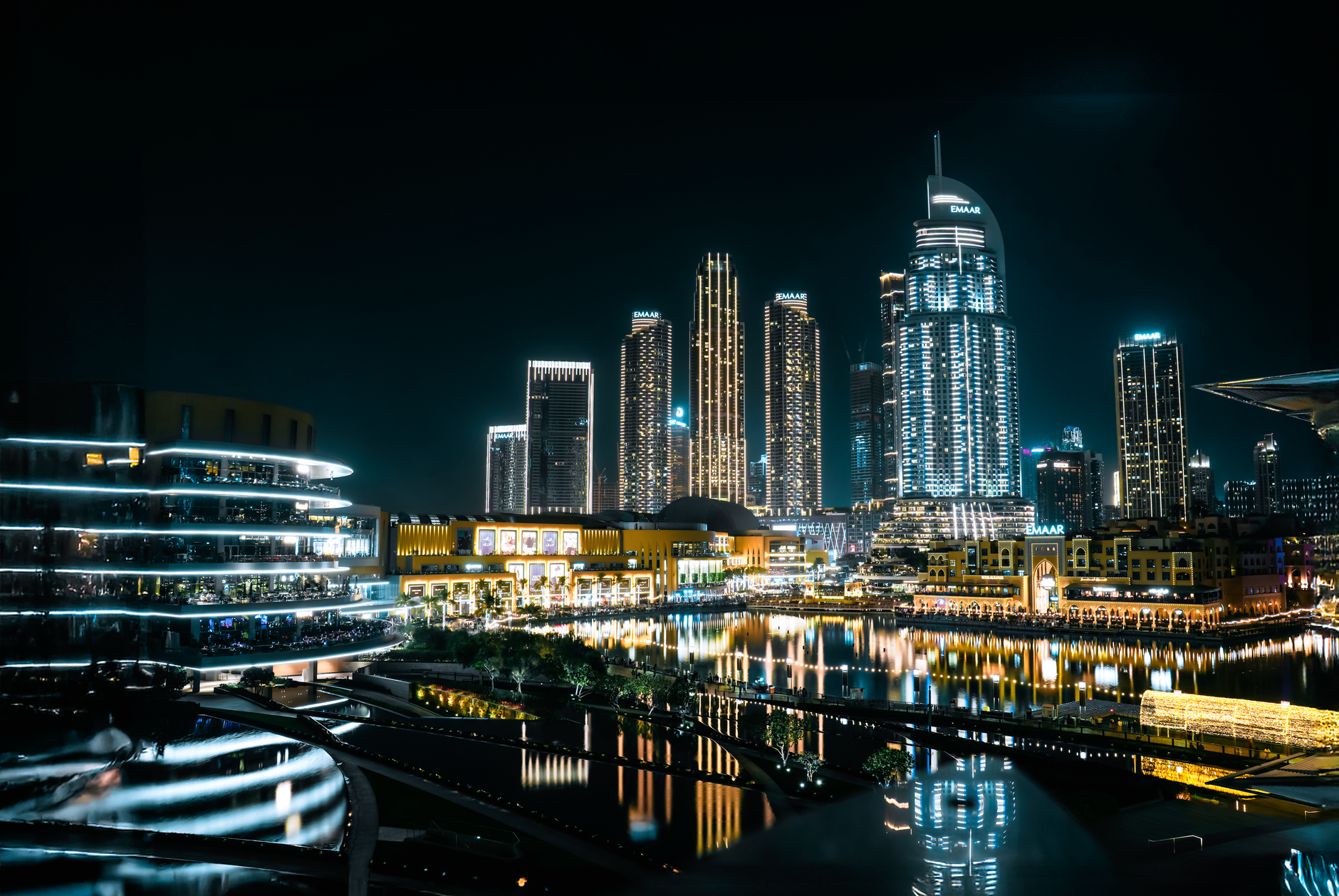
Buying property in Downtown Dubai remains a top choice for investors and lifestyle buyers in 2026 because the area combines iconic architecture, world‑class amenities, and a regulatory framework that protects owners. The district’s high footfall from tourists, business travelers, and residents creates a consistently strong rental market, while the limited supply of land ensures that capital appreciation stays robust over the long term.
Why Buying Property in Downtown Dubai Appeals to Global Investors
Downtown Dubai is synonymous with landmarks such as the Burj Khalifa, Dubai Fountain, and The Dubai Mall. These attractions generate a steady stream of visitors and professionals who need short‑term and long‑term housing, which translates into low vacancy rates for owners. The district also offers a curated mix of luxury hotels, fine‑dining restaurants, and premium retail, making it a self‑contained urban hub.
- High rental demand: Corporate expatriates and short‑stay tourists create year‑round demand for both furnished and unfurnished units.
- Limited land supply: New development is largely vertical, meaning each new tower adds a finite number of units, supporting price stability.
- Regulated environment: The Dubai Land Department enforces transparent registration, escrow accounts, and dispute‑resolution mechanisms.
- Lifestyle appeal: Residents enjoy 24‑hour security, concierge services, and proximity to cultural venues like Opera and the Theatre.
Downtown Dubai Luxury Apartments 2026: What Buyers Should Look For
When scouting luxury apartments, consider the following criteria to match your investment goals and personal preferences.
| Feature | Why It Matters | Typical Buyer Profile |
|---|---|---|
| Panoramic landmark views | Views command premium rents and resale value | Investors seeking high‑yield rentals |
| Smart‑home integration | Reduces operational costs and attracts tech‑savvy tenants | Young professionals and families |
| Wellness amenities (gym, spa, pool) | Enhances tenant satisfaction and retention | Health‑focused expatriates |
| Floor‑to‑ceiling windows | Maximises natural light, a key selling point | Design‑conscious buyers |
These qualities are especially valuable in a market where buyers compare units side‑by‑side before committing.
Downtown Dubai Rental Yields 2026: Understanding the Numbers
Rental yields in Downtown Dubai typically range between five and seven percent per annum, a figure that compares favorably with many global financial centres. While exact percentages fluctuate with market sentiment, investors can improve yields by focusing on:
- Units with direct views of the Burj Khalifa or the fountain.
- Properties that include furnishings or are part of a serviced‑apartment program.
- Buildings that offer comprehensive management services, reducing vacancy periods.
Before finalising a purchase, request a detailed breakdown of service charges, maintenance fees, and any developer escrow contributions. Verify these figures with the building’s management office and cross‑check with a trusted real‑estate advisor.
Downtown Dubai Property Buying Process Steps
The purchasing journey in Dubai is streamlined, yet each step requires careful documentation and verification. Below is a practical checklist that outlines who is responsible for each action.
| Step | What Happens | Who Handles It |
|---|---|---|
| Property selection | Identify unit, negotiate price, and secure a reservation fee. | Buyer and real‑estate agent. |
| Memorandum of Understanding (MOU) | Sign MOU outlining price, payment schedule, and terms. | Buyer, seller, and their legal representatives. |
| No Objection Certificate (NOC) | Developer issues NOC confirming no pending liabilities. | Developer’s sales office. |
| Title deed transfer | Submit documents to Dubai Land Department and pay registration fees. | Buyer’s conveyancer or trusted solicitor. |
| Post‑transfer handover | Collect keys, receive warranty documents, and register utilities. | Developer’s handover team and buyer. |
Working with a knowledgeable advisor who understands both local practice and international financing can smooth out any unexpected hurdles.
Downtown Dubai Investment Guide for Foreigners
Non‑UAE nationals enjoy the same ownership rights as residents, provided the property is situated in a free‑hold area such as Downtown Dubai. Key considerations for foreign investors include:
- Financing options: Many banks offer mortgage products to expatriates, often requiring a higher down‑payment than for UAE nationals. Compare offers from both local and international lenders.
- Currency risk management: If your income is in a foreign currency, discuss hedging strategies with your bank to protect against AED fluctuations.
- Legal representation: Engage a lawyer familiar with Dubai’s property law to review the sale agreement, especially clauses related to early termination or resale.
- Tax considerations: While Dubai imposes no property tax, you should consult a tax advisor in your home country about potential overseas income reporting.
All documentation, including passport copies, Emirates ID (if applicable), and proof of funds, should be prepared in advance to avoid delays.
Practical Tips for Maximising Your Downtown Dubai Investment
Beyond the basics of purchase, these strategies help you protect and grow your asset over time.
Choose the Right Management Company
A reputable property‑management firm handles tenant screening, rent collection, and maintenance, which is crucial for owners who are not based in Dubai full‑time. Look for firms with transparent fee structures and proven track records in the Downtown area.
Leverage Seasonal Demand
Tourist influx peaks during major events such as the Dubai Shopping Festival and New Year’s celebrations. Align lease terms to capture higher short‑term rates during these periods, while maintaining longer‑term contracts for stability.
Stay Informed About Regulatory Updates
The Dubai Land Department periodically updates escrow and registration procedures. Subscribe to official newsletters or work with a local advisor who can alert you to any changes that affect ownership rights or financing.
Plan for Future Renovations
Even luxury units benefit from periodic upgrades—think modern kitchen appliances or smart‑home upgrades. Budget for these improvements to keep the property competitive in the rental market.
Frequently Asked Questions
Can non‑residents purchase property outright in Downtown Dubai?
Yes. Non‑residents can buy free‑hold units in Downtown Dubai without needing a local sponsor, provided they complete the standard registration process with the Dubai Land Department.
What documents are required for the title deed transfer?
You will need a valid passport, proof of address, a signed sale agreement, the developer’s NOC, and evidence of payment for the purchase price. Your conveyancer will compile these for submission.
How long does the entire buying process usually take?
From property selection to final deed registration, the timeline typically ranges from four to eight weeks, depending on the efficiency of the parties involved and any financing arrangements.
Do I need a local bank account to complete the purchase?
A local bank account simplifies payment of registration fees and service charges, but many banks allow transfers from overseas accounts. Confirm the preferred method with your lawyer and the developer.
Is it advisable to rent the property out immediately after purchase?
Many investors choose to rent immediately to generate cash flow, especially if the unit is furnished and located near major attractions. Ensure the building’s management policy permits short‑term rentals if that aligns with your strategy.
What are the main risks to watch for when buying in Downtown Dubai?
Key risks include developer solvency, changes in market demand, and currency fluctuations for foreign‑based investors. Conduct thorough due diligence on the developer’s track record and keep an eye on macro‑economic trends that could affect rental demand.
Ready to take the next step? Browse our latest Dubai properties, or get in touch with our team for personalized guidance.