
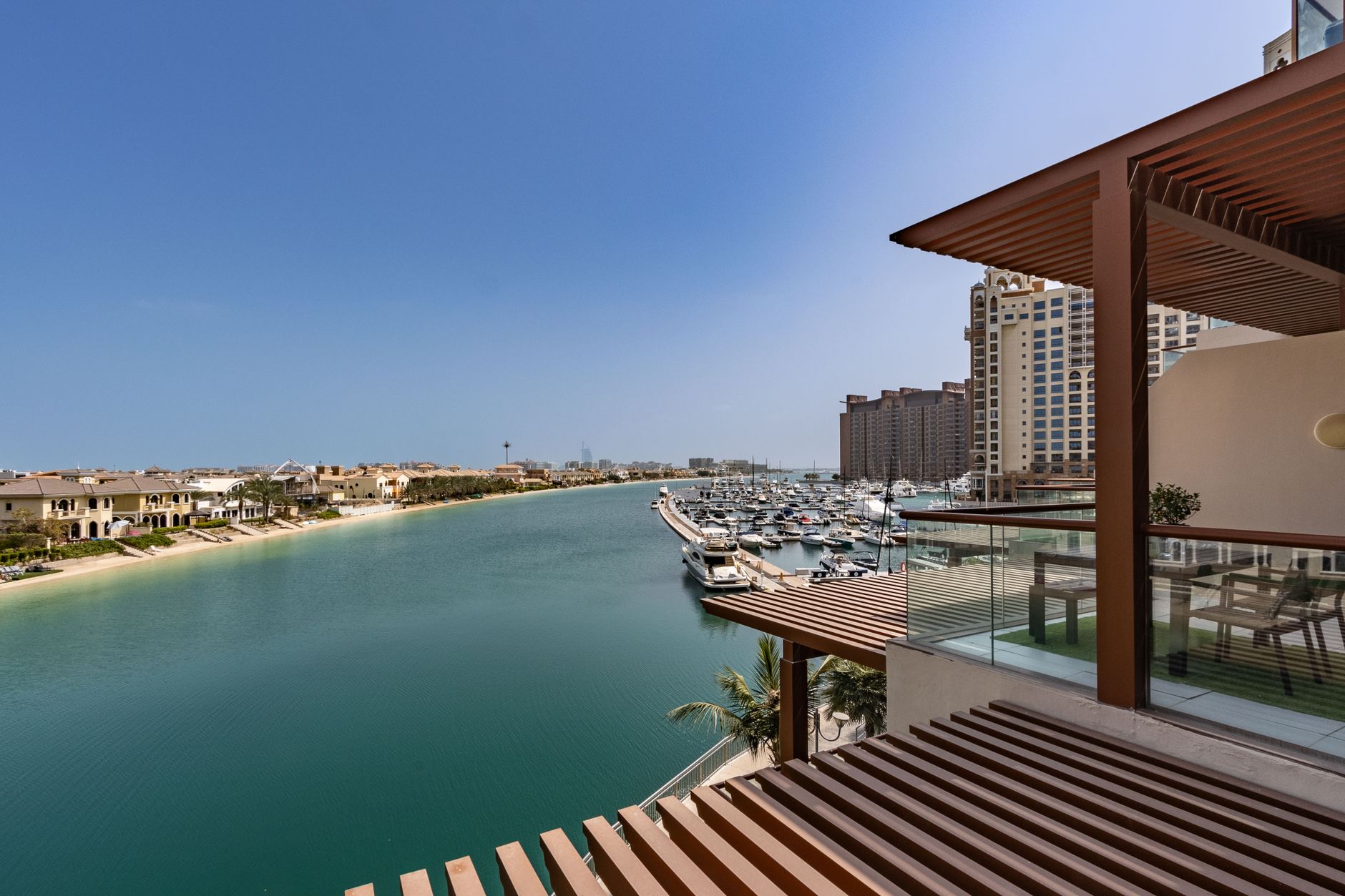
When buying property in the UAE, the purchase price is only the beginning of your financial picture. Understanding service charges in Dubai is essential for anyone who wants to gauge the true cost of ownership and the impact on net rental yield. These recurring fees cover the upkeep of common areas, security, insurance and management services, and they are regulated through the Mollak system overseen by RERA. Below is a comprehensive 2026 guide that walks you through how service charges are calculated, what varies across communities, the extra components you must check, and the steps to verify them before signing any agreement.
How Service Charges in Dubai Are Calculated via the Mollak System
The Mollak platform is the official online portal where developers and owners’ associations submit their annual budgets for approval. Because the rates must be justified with audited accounts, fees cannot be raised arbitrarily. Service charges are billed once a year and are based on the overall size of the unit, the type of property and the level of shared amenities. The collected amount funds several core services:
- Cleaning and maintenance of corridors, lobbies, elevators and other common spaces
- 24/7 security staffing, CCTV monitoring and concierge desks
- Upkeep of shared lifestyle facilities such as pools, gyms, children’s play areas and landscaped gardens
- Comprehensive building insurance covering structural elements
- Management and administrative costs for the appointed property operator
Service Charge Differences Across Major Dubai Communities
While the calculation method is uniform, the actual amount you will pay differs markedly depending on the community, building type and the range of amenities offered. The table below summarises the typical profile of service charges in four popular segments.
| Community Segment | Typical Property Type | Key Amenities Influencing Charges | Who It Suits Best |
|---|---|---|---|
| Downtown Dubai & Palm Jumeirah | Luxury high‑rise towers | Premium lobbies, multiple infinity pools, valet services, high‑speed elevators | Owners seeking prestige and high‑end tenant pool |
| Dubai Marina & Business Bay | Mid‑to‑high rise apartments | Waterfront views, dense shared facilities, extensive parking structures | Investors targeting professional expatriates |
| Jumeirah Village Circle (JVC) & Al Furjan | Mid‑market apartments | Essential amenities, limited pools, community parks | Cost‑conscious investors looking for higher net yields |
| Villa Communities (e.g., Arabian Ranches, Dubai Hills Estate) | Standalone villas and townhouses | Private gardens, individual pools, limited common areas | Families preferring private outdoor space |
Chiller Fees and Sinking Funds: Two Extra Cost Drivers
District Cooling vs. Chiller‑Free Buildings
Air‑conditioning is a major utility in Dubai’s climate. In chiller‑free buildings, the cooling load is usually covered by the general service charge or the standard DEWA electricity bill. In contrast, towers linked to district‑cooling providers such as Empower or Tabreed charge owners a separate capacity fee and a demand charge based on actual consumption. This distinction can affect tenant appeal and the overall cash‑flow calculation, so always confirm the cooling arrangement before committing.
The Sinking (Reserve) Fund
RERA requires a portion of the collected service fees to be allocated to a sinking fund. This reserve is earmarked for major future expenditures – for example, façade repainting, replacement of chiller units or major elevator upgrades. A well‑funded sinking reserve protects owners from unexpected special levies years after handover.
How to Verify Service Charges Before Signing an MOU
Due diligence on service charges is as important as checking the title deed. Follow this step‑by‑step checklist to ensure you have a clear picture of the recurring costs.
| Verification Step | Who Is Responsible | What to Request |
|---|---|---|
| Check approved rate on Mollak | Buyer or buyer’s agent | Official per‑unit rate for the building from the DLD portal |
| Obtain latest clearance statement | Seller | Document confirming all service fees are paid up to transfer date |
| Review chiller arrangement | Buyer | Confirmation whether the unit is chiller‑free or linked to district cooling |
| Inspect sinking fund balance | Buyer’s lawyer or consultant | Statement of reserve fund health and recent contributions |
| Include service charge clause in MOU | Buyer’s legal counsel | Clause stating that any unpaid dues are the seller’s responsibility |
Impact of Service Charges on Net Rental Yield in Dubai
Gross rental yield figures advertised by developers or agents do not factor in recurring expenses. To arrive at a realistic net yield, deduct the annual service charge, any separate chiller fees and a reasonable management fee from the expected gross rental income. This exercise often reveals a lower but more accurate return, helping you set realistic cash‑flow expectations and avoid unpleasant surprises after purchase.
Tips for Managing Service Charges Over Time
- Stay informed about budget approvals. RERA publishes the approved budget each year; reviewing it lets you anticipate any changes.
- Participate in owners’ association meetings. Active involvement gives you a voice in how the service charge budget is allocated.
- Monitor the sinking fund health. A well‑maintained reserve reduces the risk of special assessments.
- Consider insurance coverage. Some owners opt for additional personal insurance to cover potential shortfalls in the sinking fund.
- Plan for chiller cost fluctuations. If your building uses district cooling, track consumption patterns to manage tenant expectations.
Frequently Asked Questions
What are service charges in Dubai for villas compared to towers?
Villa communities typically have lower per‑unit service charges because owners maintain their private gardens and pools, while towers fund extensive common amenities and high‑rise infrastructure.
How can I find the official service charge rate for a specific building?
The RERA Service Charge Index on the DLD portal lists the approved rate for every registered development. Access it directly or ask your agent to retrieve the figure for you.
Do chiller fees count as part of the service charge?
Only in chiller‑free buildings are cooling costs rolled into the general service charge. In district‑cooled towers, chiller fees are billed separately and should be examined as an additional expense.
What is the purpose of the sinking fund and why should I care?
The sinking fund is a reserve that covers large‑scale repairs and upgrades. A healthy fund protects owners from sudden special levies, ensuring smoother long‑term budgeting.
Can service charges be increased arbitrarily?
No. Any change must be justified in the annual budget submitted to RERA via Mollak and approved before it can be applied to owners.
Should I negotiate service charge amounts during purchase?
While the approved rate itself is fixed, you can negotiate who pays any outstanding dues at handover and request a clear statement confirming that all fees are settled up to the transfer date.
Ready to take the next step? Browse our latest Dubai properties, or get in touch with our team for personalized guidance.