
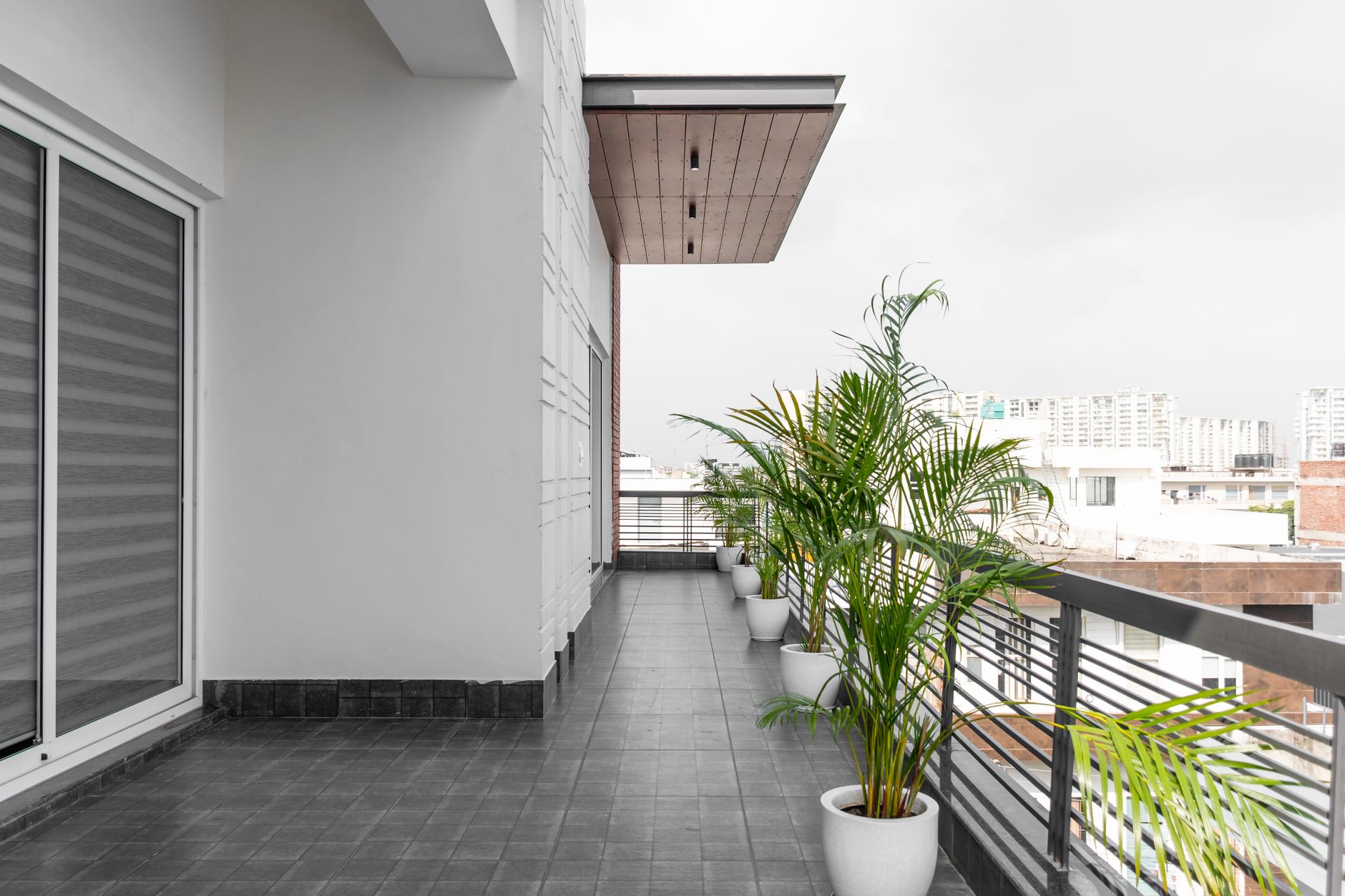
When deciding on renting vs buying a home in Mohali, the right choice comes down to your planned duration of stay, capital readiness, and long-term financial goals. If you expect to stay in the Tricity region for less than three to four years or need capital liquidity for business, renting offers essential mobility. However, if you are looking to build lasting generational equity in a thriving economic hub with established educational and commercial infrastructure, buying a home remains one of the most reliable wealth-building decisions you can make in 2026.
Renting vs Buying a Home in Mohali: Direct Cost Comparison
Understanding the immediate and recurring outflows of both options is the first step toward making a balanced property decision. Renting requires a modest upfront commitment, typically consisting of a refundable security deposit and advance monthly rental payments. This structure protects your immediate liquidity, allowing you to invest capital in other liquid avenues while enjoying housing in well-connected residential sectors such as Sector 70 or along Airport Road.
In contrast, purchasing a residential property requires significant upfront capital. A homebuyer must account for the initial down payment, statutory registration charges, stamp duty, transfer fees, and preliminary interior furnishing expenses. While this requires a disciplined financial commitment, every installment paid toward a home loan directly increases your ownership equity in an immovable physical asset. Over time, recurring rent escalations leave a tenant with zero residual value, whereas an owned property establishes a permanent capital base.
To help you weigh the fundamental differences between these two living arrangements, the table below highlights how day-to-day and long-term responsibilities diverge.
| Decision Factor | Renting an Apartment or Floor | Purchasing a Residential Property |
|---|---|---|
| Upfront Outlay | Security deposit and first month payment | Down payment, stamp duty, and registration charges |
| Monthly Cash Outflow | Fixed recurring rent with contractual escalations | Loan installment alongside maintenance charges |
| Asset Creation | Zero equity accumulation over time | Builds enduring ownership and long-term net worth |
| Living Stability | Dependent on landlord lease renewals | Permanent tenure without risk of eviction or relocation |
| Customization Freedom | Restricted structural and aesthetic changes | Total freedom to renovate, extend, and decorate |
Evaluating Long-Term Financial Equity and Wealth Creation
The core financial argument for buying a flat in Mohali lies in the difference between paying an expense and servicing an asset. When you rent, your monthly payment covers the cost of shelter for thirty days; once paid, that capital is permanently gone. When you service an equated monthly installment on a residential mortgage, a portion of each payment goes toward the principal balance, gradually extinguishing the debt and increasing your net balance sheet.
Mohali has transitioned from a satellite suburb of Chandigarh into a self-sustaining commercial powerhouse. With the rapid expansion of IT City Mohali, Aerocity, and specialized health facilities, housing demand across both independent builder floors and gated high-rise developments remains consistent. Homeowners benefit not only from steady capital appreciation across established sectors but also from the option of transitioning an owner-occupied unit into a rental asset if work transfers require relocation later in life.
A home loan functions as a disciplined, automated savings plan. While rent disappears into someone else's balance sheet, loan repayments systematically build tangible family wealth over time.
Lifestyle and Flexibility Considerations Across Tricity Localities
Beyond spreadsheets and cost formulas, the choice between renting and buying deeply impacts your everyday life and emotional peace of mind. Renting offers unmatched agility for corporate professionals working in tech parks around Sector 82 or corporate hubs near the international airport corridor. If your employer shifts locations, or if you decide to take an overseas assignment, ending a tenancy agreement requires only a standard notice period without the burden of managing or disposing of real estate.
However, tenancy also comes with inherent friction. Tenants frequently navigate periodic lease renewals, restrictive clauses regarding pets or guest stays, limitations on wall modifications, and the ever-present risk that an owner may choose to sell the property or reclaim it for personal family use. For families with school-going children enrolled in leading institutions in Sector 68 or Sector 70, frequent shifting disrupts social circles and daily school commutes.
Ownership delivers psychological security that renting simply cannot match. Owning your floor or apartment means full control over your living space. You can redesign kitchens, install high-efficiency fixtures, adopt pets, and establish multi-generational roots in an established neighborhood where your family can form lifelong community connections.
Hidden Costs and Ongoing Responsibilities to Consider
Prospective purchasers must evaluate the full financial scope of ownership beyond the simple purchase agreement. When you own a home, unexpected maintenance issues fall squarely on your shoulders. While tenants pass plumbing breakdowns, electrical failures, and seepage repairs to the property owner, a homeowner must budget for routine upkeep.
Consider these essential ongoing commitments when calculating your affordability:
- Society Maintenance Charges: High-rise developments in Mohali provide advanced amenities such as security surveillance, clubhouse operations, backup generators, and swimming pools, all supported through monthly maintenance levies.
- Statutory Municipal Taxes: Property owners are responsible for periodic local municipal corporation assessments, which vary depending on whether the unit is residential or commercial.
- Periodic Interior Upgrades: Keeping a home modern and structurally sound requires repainting, waterproofing, and woodwork maintenance every few years.
- Insurance and Protection: Securing comprehensive structural and contents home insurance safeguards your asset against accidental fire, natural disasters, or structural damage.
For tenants, hidden expenses take a different shape. They manifest as packing and moving fees every few years, non-refundable brokerage fees paid to leasing agents, security deposit deductions during move-out settlements, and regular rent increases stipulated in tenancy contracts.
Decision Framework: Who Should Rent and Who Should Buy?
Choosing between renting and purchasing depends heavily on your current career phase, household composition, and financial stability. The following framework provides clear guidance based on typical home-seeker situations in the Chandigarh Tricity region.
The comparison matrix below outlines which living arrangement best matches common buyer profiles based on lifestyle and economic circumstances.
| Buyer Profile | Optimal Strategy | Primary Rationale |
|---|---|---|
| Young IT Professional | Renting an Apartment | Retains career mobility and preserves liquid capital |
| Established Family | Buying a Gated Flat | Ensures schooling stability and neighborhood permanence |
| Returning NRI Investor | Buying Builder Floor or Villa | Establishes a solid hometown base and tangible wealth |
| Short-Term Contractor | Renting Near Airport Road | Avoids transaction costs and mortgage commitments |
| Retiree Seeking Calm | Buying in Established Sectors | Eliminates rental uncertainty and fixes living costs |
When Renting Makes the Most Sense
Renting is the superior choice if you have not yet assembled a robust emergency fund separate from your down payment capital. If committing to a down payment empties your bank accounts, leaving you vulnerable to medical emergencies or career disruptions, prioritizing liquidity is essential. Renting is also advisable for individuals whose career path remains uncertain, or who expect a relocation within the next three years, as property acquisition costs cannot easily be amortized over very short holding periods.
When Buying Is the Smarter Move
Buying makes undeniable sense when you have a stable household income, an adequate financial safety net, and a clear intention to remain rooted in the Tricity area for the foreseeable future. If your monthly rent in an upscale sector rivals what you would pay toward a structured home loan installment, continuing to rent merely subsidizes another investor's mortgage balance. Buying locks in your residential costs against ongoing inflationary rental spikes and delivers complete control over your domestic environment.
Financial Readiness Checklist Before You Commit
Before entering the property market in Mohali, running through a disciplined financial audit guarantees that your purchase remains a source of prosperity rather than financial strain. Work through the following verification steps with your family and professional advisors:
- Evaluate Your Emergency Reserves: Ensure that you maintain at least six months of household operating expenses and loan installment buffers in liquid deposits completely separate from your property down payment.
- Review Your Credit Profile: Verify your credit history across domestic reporting bureaus. A pristine credit track record allows financial institutions to offer favorable lending terms, saving substantial capital over a multi-year loan horizon.
- Calculate Total Closing Costs: Look beyond the base unit cost. Request a comprehensive breakdown that includes floor development fees, power backup installation charges, parking allocation, club memberships, and statutory registration duties.
- Inspect Developer Credentials and Approvals: Always verify that any under-construction or completed development holds valid registration under the real estate regulatory authority, clear land titles, and verified municipal building plan sanctions.
- Consult Local Legal Experts: Retain an experienced property attorney to conduct a thorough title search, verifying that the property is completely free from encumbrances, ongoing litigation, or bank hypothecation.
Frequently Asked Questions
Is it cheaper to rent or buy an apartment in Mohali?
In the initial years, renting requires significantly lower monthly cash outflow than buying because loan installments, property taxes, and maintenance fees exceed typical rental rates. However, over a five to ten-year period, regular rent increases compound, while a fixed-rate loan installment remains predictable and gradually builds full homeownership equity.
What is the minimum recommended holding period if I buy a home in Mohali?
Real estate experts generally recommend a minimum holding horizon of five to seven years when purchasing residential property in Mohali. This duration ensures that property value appreciation comfortably offsets initial acquisition expenses, including government stamp duty, legal verification fees, registration costs, and loan processing charges.
How do I know if I am financially ready to purchase a home?
You are financially ready to buy when you have saved an adequate down payment without depleting your primary emergency fund, maintain a steady income source, and possess a healthy credit score. Furthermore, your projected total debt obligations, including your future home loan installment, should remain within comfortable, manageable limits of your net monthly earnings.
Can an NRI purchase a residential flat in Mohali?
Yes, Non-Resident Indians can freely purchase residential and commercial real estate in Mohali using inward remittances through standard banking channels such as NRE or NRO accounts. NRIs are subject to standard documentation requirements, title verifications, and regulatory guidelines governed by the Reserve Bank of India, but they do not require special prior government permission for residential acquisitions.
Does renting in Mohali offer any tax advantages over buying?
Salaried tenants can claim tax exemptions on their House Rent Allowance by providing valid rent receipts and their landlord's permanent account details. However, property buyers often enjoy substantial deductions on both the principal repayment and the interest paid on home loans under prevailing income tax provisions, which can lead to larger aggregate tax savings over the life of the mortgage.
Ready to take the next step? Browse our latest properties for sale, or get in touch with our team for personalized guidance.