
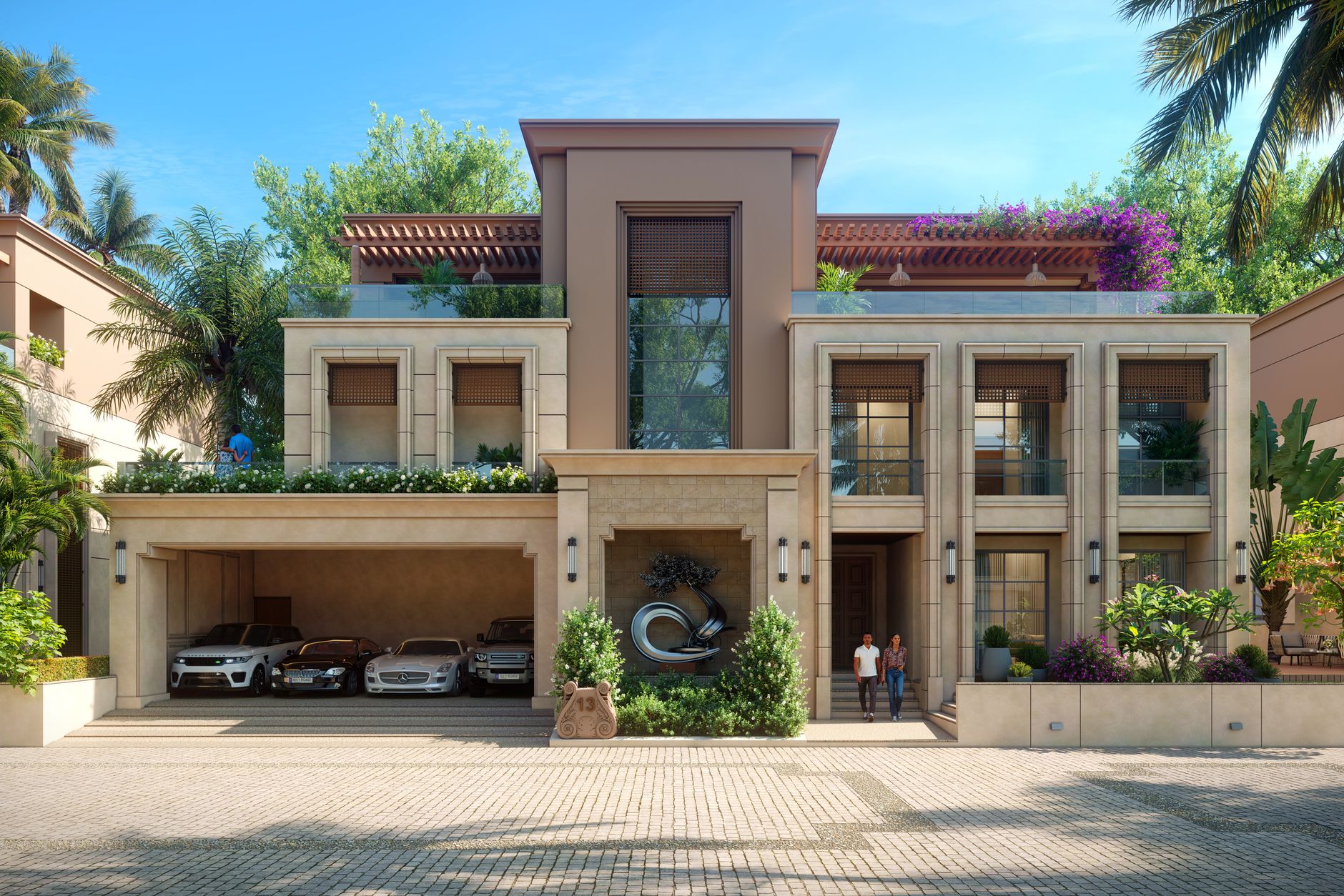
Independent floors in Mohali present a compelling blend of privacy, ownership rights, and community amenities, making them a top choice for families and investors in the Tricity region. If you are weighing whether a low‑rise floor suits your lifestyle better than a high‑rise flat, this guide walks you through approvals, layout considerations, financing tips, and practical checklists so you can move forward with confidence.
Why Independent Floors in Mohali Are Gaining Popularity
Mohali’s growth has been propelled by the expansion of the International Airport Road corridor, the emergence of IT City, and the steady rollout of GMADA‑approved sectors. Within this evolving landscape, independent floors—typically configured as Stilt + 3 or Stilt + 4—offer distinct advantages that resonate with both end‑users and long‑term investors.
- Exclusive Ownership and Privacy: Each floor is owned by a single family, providing private elevator access, dedicated parking bays beneath the stilt level, and no shared walls that can transmit noise.
- Proportionate Land Share: Buyers receive an undivided share of the underlying land, a benefit not available in high‑density tower blocks.
- Quicker Construction and Handover: Low‑rise projects generally move from ground‑breaking to possession faster than multi‑storey towers, reducing the risk of prolonged delays.
- Higher Carpet‑Area Efficiency: Floor plans are designed for optimal loading, delivering larger usable rooms and spacious balconies relative to the built‑up area.
Independent Floors vs High‑Rise Flats: A Detailed Comparison
Choosing between a low‑rise floor and a high‑rise apartment hinges on lifestyle preferences, maintenance expectations, and long‑term asset considerations. The table below summarizes the key differentiators.
| Aspect | Independent Floors | High‑Rise Flats |
|---|---|---|
| Typical Height | Stilt + 3 or Stilt + 4 | 10 + storeys |
| Resident Density | One family per floor | Hundreds of families per tower |
| Privacy Level | High – private lift, separate parking | Moderate – shared lifts and corridors |
| Maintenance Charges | Lower – limited common amenities | Higher – extensive clubhouses, lifts, security |
| Customization Freedom | Broad – interior layout, terrace use | Limited – fixed structural grid |
| Construction Timeline | Shorter – low‑rise builds faster | Longer – high‑rise approvals and works |
Use this side‑by‑side view to assess which profile aligns with your priorities.
Essential Pre‑Booking Checklist for Independent Floors
Before you hand over any booking amount, verify each item on the checklist to safeguard your investment.
| Checklist Item | What to Verify |
|---|---|
| Punjab RERA Registration | Project’s registration number on the official Punjab RERA portal; matches the brochure details. |
| GMADA / Municipal Sanctions | Approved building plan, floor‑height limits, stilt parking layout, and structural drawings. |
| Independent Utilities | Separate electricity meter, water connection, and sub‑metered backup power for the floor. |
| Terrace & Stilt Rights | Explicit clauses in the sale agreement confirming parking slot allocation and rooftop access. |
| Bank Loan Eligibility | Project listed as eligible for home loans by major banks; indicates technical due diligence. |
| Physical Site Inspection | Road width, storm‑water drainage, power infrastructure, and overall site condition. |
Completing this checklist reduces the likelihood of post‑sale surprises.
Understanding Approvals and Legal Framework
Independent floors fall under the same regulatory umbrella as other residential projects, but a few nuances are worth noting.
RERA and GMADA Overlap
Punjab RERA ensures transparency in project disclosures, while GMADA sanctions the master plan and land‑use aspects. Both approvals must be current and reflect the exact configuration of the floor you intend to purchase.
Title and Land Share Documentation
The sale deed should clearly state your proportionate share of the land plot. This share is typically expressed as a fraction of the total land area and is recorded in the sub‑registrar’s office. Verify that the title search reflects this share without encumbrances.
Construction and Structural Approvals
Low‑rise projects still require structural safety clearance from the local municipal engineering department. Request a copy of the structural stability certificate and ensure it references the exact floor height you are buying.
Financing an Independent Floor: What Buyers Should Know
While exact loan‑to‑value ratios and interest rates fluctuate, the financing process for an independent floor mirrors that of other residential units.
- Eligibility Check: Approach your preferred bank or housing finance company with the project’s RERA registration and GMADA sanction letters. Most lenders will conduct a technical verification before sanctioning the loan.
- Documentation: Prepare identity proof, income statements, property documents, and the approved building plan. The lender may also request a copy of the title deed once it is registered.
- Disbursement Stages: Typically, lenders release funds in stages—booking, construction, and possession—aligned with the builder’s progress certificates.
Because exact loan terms vary, discuss your specific scenario with the bank and confirm any additional charges such as processing fees or legal vetting costs.
Location Considerations for Independent Floors in Mohali
Location remains a decisive factor for both lifestyle convenience and future appreciation. Below are the zones that consistently attract demand.
- Sector 70‑71 Corridor: Proximity to the International Airport Road and emerging commercial hubs.
- Sector 82‑84 Area: Close to IT City, schools, and healthcare facilities.
- Phase 2 of Mohali: Well‑planned sectors with green belts and easy access to the Chandigarh‑Mohali Expressway.
- Near the New Chandigarh Extension: Growing residential pockets with planned community amenities.
When evaluating a site, assess road connectivity, availability of public transport, and the presence of essential services such as schools, hospitals, and grocery stores.
Living Experience: Lifestyle Benefits of Low‑Rise Floors
Beyond the financial and legal aspects, independent floors shape daily living in subtle yet meaningful ways.
Community Atmosphere
With fewer families sharing the same complex, you often find a tighter-knit community where neighbors know each other, enhancing security and social comfort.
Outdoor Spaces
Terrace access for top‑floor owners allows private gardening, children’s play areas, or a personal lounge—features rarely available in high‑rise apartments.
Reduced Noise and Vibration
Low‑rise structures experience less elevator chatter and wind‑induced vibrations, contributing to a calmer indoor environment.
Steps to Complete the Purchase of an Independent Floor
Following a systematic process helps you stay organized and ensures nothing is overlooked.
- Identify a project that meets your location and amenity preferences.
- Verify RERA registration, GMADA sanctions, and title documents.
- Visit the site, inspect utilities, and confirm parking and terrace rights.
- Engage a qualified lawyer to review the agreement to sell and ensure all clauses reflect the verified approvals.
- Secure home‑loan pre‑approval from your chosen bank.
- Pay the booking amount and obtain a receipt that references the project’s RERA number.
- Monitor construction progress through periodic site visits and builder updates.
- Upon possession, complete the registration process at the sub‑registrar office and obtain the title deed.
Each step involves specific stakeholders—developer, lawyer, bank, and government offices—so maintaining clear communication is essential.
Frequently Asked Questions
Do independent floors require separate utility meters?
Yes, reputable projects provide individual electricity and water meters for each floor, ensuring that utility bills are billed directly to the owner.
How does land‑share ownership work for an independent floor?
The sale deed specifies a proportionate share of the underlying plot, usually expressed as a fraction of the total land area. This share is recorded in the sub‑registrar’s records and can be transferred with the property.
Are independent floors eligible for home‑loan financing?
Most banks finance independent floors that have valid RERA registration and GMADA approvals. The loan amount and terms will depend on the borrower’s credit profile and the lender’s appraisal.
What maintenance charges can I expect?
Maintenance fees for low‑rise projects are generally lower than those for high‑rise towers because common amenities are limited to basic security, landscaping, and shared utilities. Exact amounts vary by society and should be confirmed with the managing committee.
Can I customize the interior layout of an independent floor?
Since the floor sits on its own plot, owners typically have greater flexibility to alter interior partitions, flooring, and terrace usage, subject to structural safety clearances and any society bylaws.
Is resale easier for independent floors compared to high‑rise flats?
Resale potential is strong for independent floors because they combine the privacy of a villa with the convenience of a gated community. However, marketability still depends on location, approvals, and the reputation of the developer.
Ready to take the next step? Browse our latest properties for sale, or get in touch with our team for personalized guidance.