
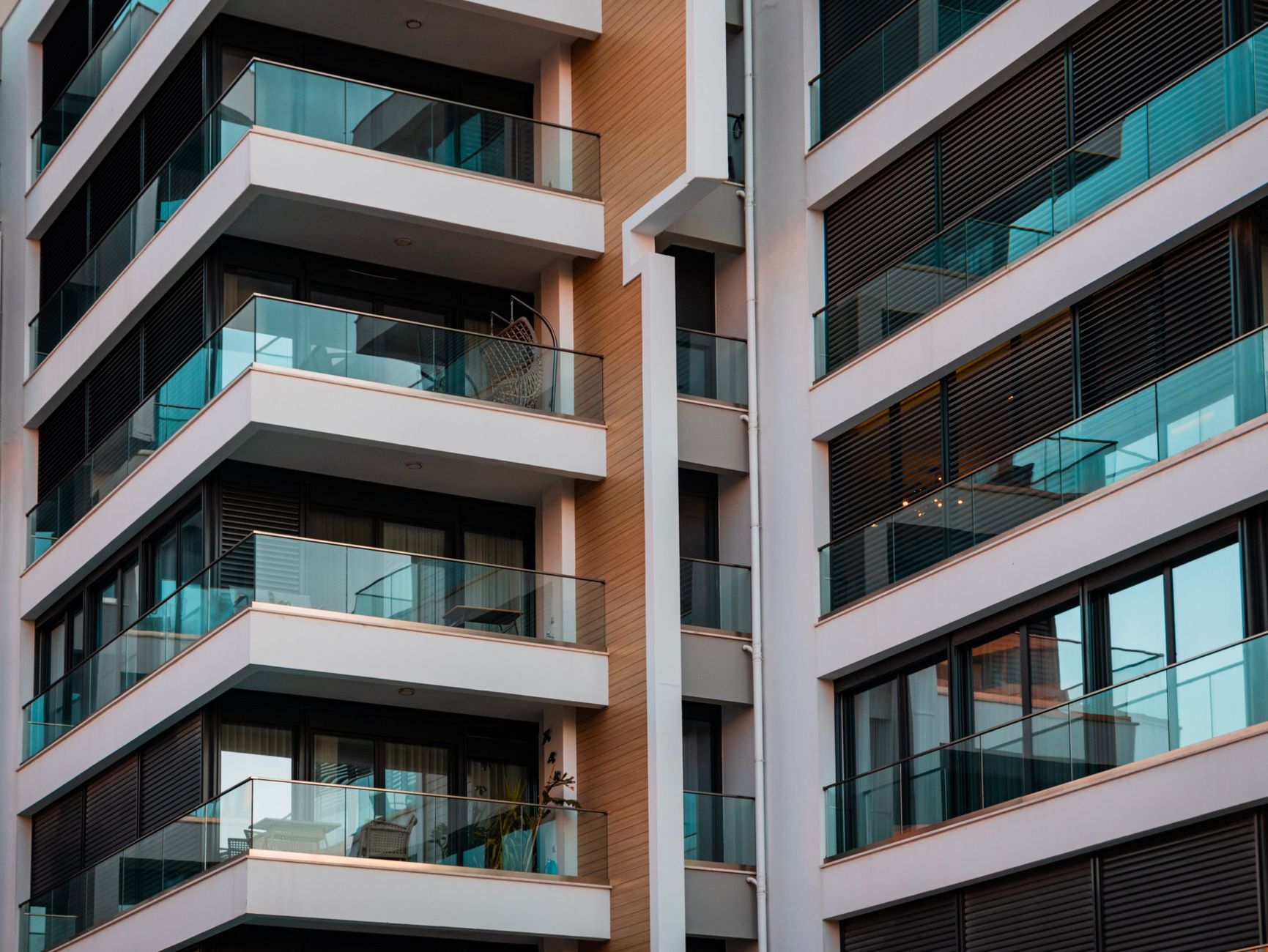
When comparing Chandigarh vs Mohali to decide where to purchase residential or commercial real estate, the choice comes down to established heritage and civic prestige versus modern housing formats and scalable master-planned growth. Chandigarh offers tightly regulated architecture, expansive green canopies, and unmatched institutional standing, but comes with scarce inventory, older building stock, and higher capital entry barriers. Mohali, developed under GMADA, provides contemporary gated communities, expansive multi-story apartments, modern clubhouse amenities, and sprawling plotted layouts tailored for modern end-users and investors alike.
Both cities form the core of the Tricity urban corridor, sharing borders, economic momentum, and transit arteries. However, the day-to-day living experience, legal title dynamics, and potential for capital appreciation diverge significantly between the two. Understanding these structural differences is vital before committing your capital to a home or investment property in 2026.
Chandigarh vs Mohali: Core Architectural and Civic Philosophies
To evaluate Chandigarh vs Mohali fairly, one must first recognize their contrasting urban development philosophies. Chandigarh is a planned administrative capital designed around self-sufficient sectors, strict building bylaws, rigid height controls, and deliberate low-density zoning. The city administration strictly monitors exterior facades, boundary wall heights, and floor-area usage. This preservation ensures that leafy residential sectors such as Sector 9, Sector 10, Sector 16, and Sector 33 maintain their tranquil charm, free from towering high-rises or chaotic commercial creep.
Mohali, officially known as Sahibzada Ajit Singh Nagar, was originally conceptualized as an extension of Chandigarh’s sector grid but quickly evolved into an expansive industrial, technological, and residential metropolis governed by GMADA. Mohali embraces vertical living, modern integrated townships, mixed-use commercial centers, and wide transit corridors. While Chandigarh is bounded on nearly all sides with little room to expand outward, Mohali possesses substantial geographical headroom, extending southward through Aerocity, IT City, and beyond Sector 100.
Urban Planning and Density Comparison
Chandigarh’s sector layout isolates commercial markets to internal sector shopping centers (such as the bustling markets of Sector 22, Sector 35, or Sector 15) and central commercial zones like Sector 17. Traffic flows along designated tree-lined avenues, preserving quiet inner residential streets. However, this fixed boundary also means that housing density is capped, making new supply virtually non-existent aside from the redevelopment of older independent plots.
Mohali incorporates wide, high-capacity arterial roadways designed to accommodate modern vehicular traffic and logistics. High-density gated condominiums line major sectors, providing dedicated basement parking, private security, sports facilities, and backup power utilities that are rarely found in Chandigarh’s older independent residential sectors without extensive private retrofitting.
Available Property Types and Inventory Differences
The inventory profile represents the most decisive factor for prospective homebuyers weighing Chandigarh against Mohali. Searching for modern flats in Mohali vs Chandigarh reveals fundamentally different housing ecosystems.
Housing Formats in Chandigarh
Residential real estate in Chandigarh consists predominantly of independent houses, traditional kothis, older low-rise government and society flats, and builder floors on converted residential plots. High-rise condominium developments do not exist within the core sectors of Chandigarh due to heritage zoning laws and strict vertical height restrictions. Buyers looking for ready-to-move housing in Chandigarh generally navigate the resale market, dealing with older construction, multi-owner partition disputes, or the need for extensive civil remodeling and structural modernization.
Housing Formats in Mohali
In contrast, Mohali offers a diverse array of contemporary housing typologies. Buyers can select from GMADA-allotted independent residential plots, builder-constructed independent floors, integrated villa communities, and expansive multi-story apartment developments. Modern projects in sectors like Sector 82, Sector 88, Sector 110, and along the airport corridor feature three- and four-bedroom apartments with dedicated servant quarters, swimming pools, gated perimeters, and internal shopping conveniences. For families desiring contemporary turnkey living with full community amenities, Mohali provides options that Chandigarh simply cannot offer within its municipal boundaries.
The following table outlines the distinct residential characteristics and property formats typical to each market to help narrow your focus.
| Parameter | Chandigarh Residential Profile | Mohali Residential Profile |
|---|---|---|
| Predominant Property Types | Independent kothis, low-rise floors, older society flats | Gated high-rise apartments, plotted layouts, builder floors |
| Inventory Availability | Predominantly secondary/resale stock | Both primary developer launches and secondary resale |
| Community Amenities | Sector public parks and municipal recreational clubs | Private in-complex clubhouses, gyms, and sports courts |
| Expansion Potential | Virtually fixed municipal boundaries | Extensive master-planned outward expansion corridors |
| Floor Space Options | Large traditional footprints requiring renovation | Contemporary standardized functional layouts |
Legal Title, Ownership Structure, and Regulatory Frameworks
Due diligence and property paperwork take different forms depending on which side of the municipal border you purchase. Clear understanding of title deeds, regulatory bodies, and land tenures prevents expensive legal entanglements later.
Chandigarh Legal Complexities: Freehold vs Leasehold and Share Sales
Property in Chandigarh is governed by the Chandigarh Administration and the Estate Office. While many residential sectors feature clear freehold titles, several areas, particularly commercial units and certain society flats, remain under long-term leasehold terms. Converting leasehold properties to freehold in Chandigarh has historically involved evolving administrative policies and fluctuating documentation requirements.
Furthermore, because independent floors in Chandigarh cannot always be registered as separate, bifurcated apartment titles depending on ongoing court judgments and local rules, buyers often encounter transactions structured as proportional undivided shares of an entire plot. Purchasing an undivided share carries unique legal risks, including shared liabilities with co-owners, ambiguous terrace or parking rights, and complications when applying for home loans from conservative institutional lenders. Prospective buyers must engage a knowledgeable property advocate to verify chain titles and examine estate office records thoroughly.
Mohali: GMADA Allotments and RERA Punjab Compliance
Mohali operates under a streamlined regulatory umbrella headed by the Greater Mohali Area Development Authority (GMADA) and governed by the Real Estate (Regulation and Development) Act as implemented by RERA Punjab. Properties in Mohali fall primarily into two well-defined buckets: direct GMADA-allotted sectors or private developer projects approved under GMADA master plans.
GMADA-allotted plots and floors follow established transfer and conveyance procedures, with standardized documentation such as Letters of Intent, Allotment Letters, No Objection Certificates, and formal Conveyance Deeds. New apartment complexes and commercial developments in Mohali fall under the oversight of RERA Punjab, requiring developers to deposit buyer funds into escrow accounts, adhere to published construction timelines, and obtain verified completion and occupancy certificates before handover. This statutory framework offers strong transparency for buyers purchasing off-plan or newly completed units.
Daily Living, Social Infrastructure, and Commute Realities
Lifestyle preference is often the ultimate deciding factor when choosing between these two cities. Both locations deliver high living standards, yet the rhythm of everyday life varies noticeably.
Healthcare, Education, and Green Public Spaces
Chandigarh remains the regional hub for premier medical and educational institutions. Premier healthcare centers, including the Post Graduate Institute of Medical Education and Research (PGIMER) and Government Medical College and Hospital (GMCH Sector 32), sit alongside reputed legacy schools and colleges. Its urban design ensures that nearly every sector features dedicated neighborhood green belts, quiet walking tracks, and accessible sector markets for daily groceries.
Mohali has closed this infrastructure gap rapidly. The city hosts high-quality private super-specialty hospitals, international educational institutions, and world-class sports complexes like the PCA Stadium and international hockey facilities. Commercial shopping arcades, hypermarkets, and entertainment centers are integrated directly along major sector roads, ensuring residents rarely need to cross into Chandigarh for day-to-day shopping, medical emergencies, or recreation.
Connectivity and Office Hubs
Chandigarh’s commercial core centers around institutional offices, banking regional headquarters, and judicial hubs like the Punjab and Haryana High Court. Commuting within Chandigarh is swift, aided by an orderly grid network, though parking in internal sector markets and commercial districts has grown congested during peak working hours.
Mohali has established itself as the primary employment and IT hub of the Tricity region. With dedicated clusters in Phase 8, Phase 8B, and IT City, multinational technology firms, business process outsourcers, and research facilities have made Mohali their home. Furthermore, Mohali enjoys direct, seamless physical access to the Shaheed Bhagat Singh International Airport, making it exceptionally convenient for frequent corporate flyers and non-resident Indian (NRI) families visiting ancestral homes in Punjab.
The table below provides a structured overview of everyday civic factors across both locations to help you align your family’s lifestyle requirements.
| Decision Factor | Chandigarh Reality | Mohali Reality |
|---|---|---|
| Daily Retail Access | Pedestrian-friendly internal sector convenience markets | Large sector-fronting commercial complexes and retail malls |
| Public Healthcare Access | Regional tertiary government research hospitals and clinics | Modern private multi-specialty healthcare networks |
| Parking Convenience | Street-side and plot-front parking; frequent peak congestion | Dedicated multi-level basement parking in modern societies |
| Corporate Employment Proximity | Administrative, banking, and legal professional hubs | IT, tech parks, biotechnology, and corporate campus clusters |
| Airport Accessibility | Requires crossing eastern or southern arterial connectors | Direct access via broad airport express arterial roads |
Investment Horizons: Capital Preservation vs Scalable Growth
From an investor’s lens, Chandigarh and Mohali serve distinct portfolio goals. Evaluating capital appreciation in Tricity requires recognizing the difference between asset scarcity and expanding infrastructure demand.
Capital Preservation and Wealth Anchoring in Chandigarh
Chandigarh real estate functions primarily as an ultra-low-volatility, wealth-preservation asset class. Because the supply of land is finite and new sector expansion within the Union Territory is physically impossible, prime independent plots and well-located kothis enjoy enduring prestige. Resale transactions in prime residential sectors command strong demand among established business families, retired senior civil servants, and high-net-worth individuals. However, the capital required to enter this market is substantial, and rental yields are traditionally modest relative to the asset’s market valuation.
Yield and Scalable Appreciation in Mohali
Mohali represents the growth engine of the regional property market. With continued commercial occupation in IT City, expanding educational campuses, and modern corporate facilities, the tenant pool for quality two- and three-bedroom apartments is consistent and growing. Young professionals, corporate managers, and families relocating from across northern India drive healthy residential leasing demand.
Investors can participate in Mohali at multiple budget tiers, from mid-sized gated society apartments to commercial SCO plots (Shop-cum-Offices) and independent GMADA sectors. While new supply continues to enter the market, strategically located developments along key transit corridors offer balanced rental yields and dependable long-term capital appreciation as peripheral sectors mature into fully occupied neighborhoods.
How to Decide: Which City Fits Your Profile?
Making the right purchase decision depends on your budget capacity, family demographics, and property purpose:
- Choose Chandigarh if: You prioritize civic heritage, desire an independent plot or standalone home, value proximity to established central government and judicial institutions, prefer mature tree-lined low-density living, and possess the capital for substantial upfront acquisition and ongoing maintenance.
- Choose Mohali if: You want a contemporary apartment with modern elevators, 24/7 security, clubhouses, and power backup; you work within the regional technology and corporate hubs; you travel frequently via the international airport; or you are an investor looking for accessible entry pricing with steady rental liquidity.
Before executing any agreement to sell, always conduct thorough due diligence. Verify ownership records with the Chandigarh Estate Office or GMADA, inspect RERA Punjab project registrations, review encumbrance certificates, and consult an independent property attorney and a qualified real estate advisor.
Frequently Asked Questions
Is buying an independent floor in Chandigarh legally secure?
Purchasing an independent floor in Chandigarh requires careful scrutiny because local regulations have restricted the formal fragmentation of single residential plots into independent sub-titles. In many cases, transactions involve purchasing an undivided share of the total plot, which requires written consensus with co-owners and creates potential title disputes. Prospective buyers should consult a property lawyer to verify building plan approvals and ensure clear property partition documentation before signing.
Does Mohali offer better rental returns than Chandigarh?
Mohali generally offers healthier rental dynamics for modern housing because it houses major corporate IT parks, healthcare hubs, and universities that attract steady tenant inflows. Furthermore, modern gated communities with power backup and security are highly attractive to young working professionals, whereas Chandigarh’s older independent housing stock often requires higher capital outlay relative to the annual rental income generated.Can NRIs easily purchase property in both Chandigarh and Mohali?
Yes, Non-Resident Indians (NRIs) and Overseas Citizens of India (OCIs) can legally purchase residential and commercial property in both Chandigarh and Mohali under RBI regulations without prior administrative permissions. Agricultural land and farmhouses remain restricted. Payments must be routed through legitimate banking channels using NRE, NRO, or FCNR accounts, and compliance with Indian tax withholding rules is required at the time of purchase.
What is the key difference between GMADA sectors and private builder projects in Mohali?
GMADA sectors are planned, developed, and maintained directly by the government development authority, offering standardized civic layouts, public parks, and government utility connections. Private builder projects are integrated developments built by licensed private developers on GMADA-approved land parcels, providing private gated infrastructure, internal club amenities, and centralized security. Both formats require verification of authority approvals and valid completion certificates.
How does airport connectivity compare between Chandigarh and Mohali?
Mohali provides significantly closer and more direct road connectivity to Shaheed Bhagat Singh International Airport, with key sectors like Aerocity, IT City, and Sector 82 situated immediately along the access corridor. While residents in southern and eastern Chandigarh can reach the airport comfortably via major connecting arteries, Mohali residents enjoy shorter commute times and avoid inner-city traffic bottlenecks.
Are property taxes and municipal charges different between the two cities?
Yes, property taxes, water tariffs, and municipal assessment criteria are governed by two distinct civic bodies: the Municipal Corporation of Chandigarh within the Union Territory and the Municipal Corporation of SAS Nagar (Mohali) in Punjab. While both cities levy annual property taxes based on covered area, commercial use, and zoning categories, property owners should review current billing schedules directly with the respective municipal authorities.
Ready to take the next step? Browse our latest properties for sale, or get in touch with our team for personalized guidance.