
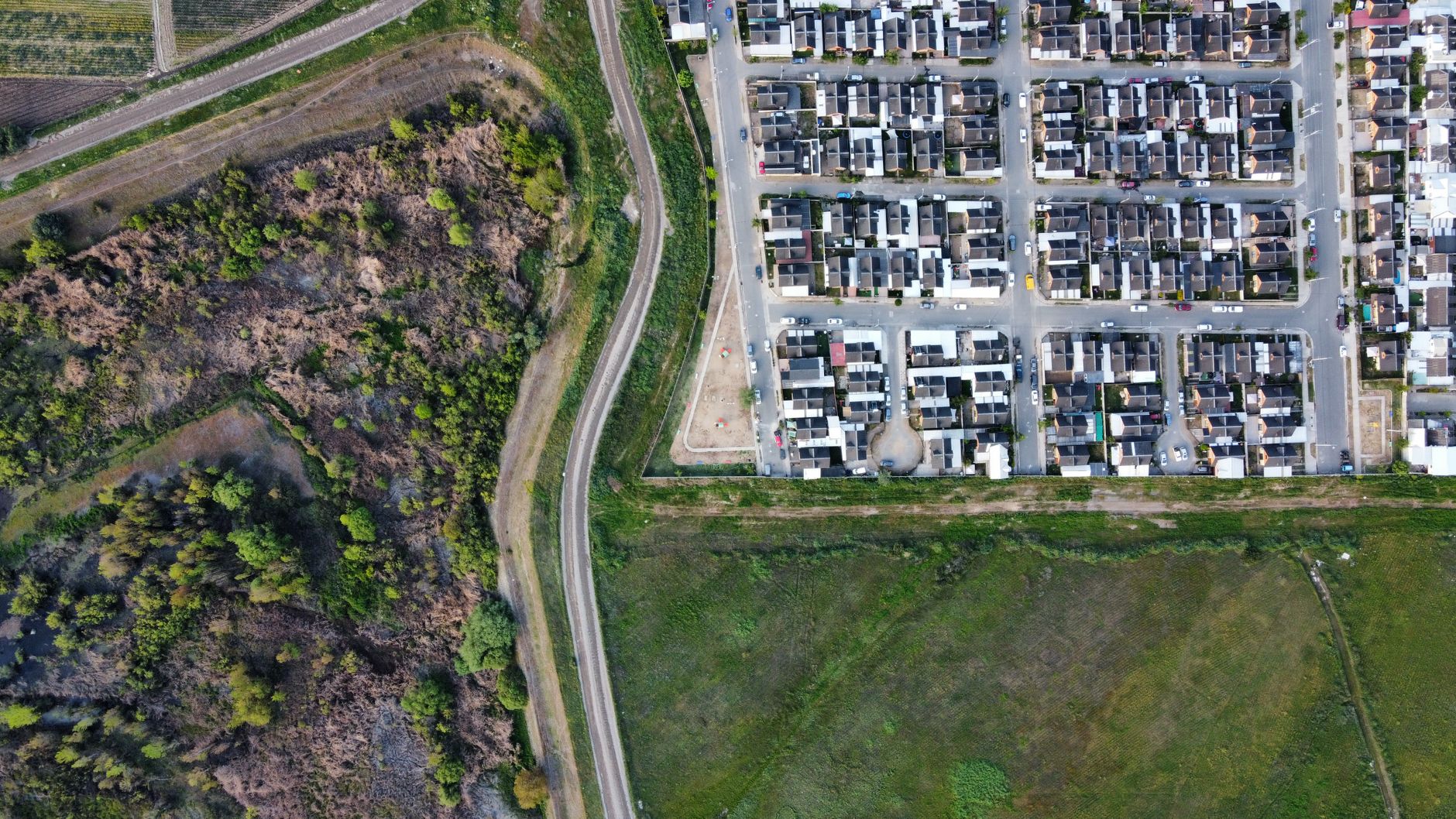
Buying plots in New Chandigarh continues to be one of the most compelling ways to secure long‑term capital appreciation in the Tricity region. Whether you are a first‑time homebuyer, an NRI investor, or a developer looking for a clear freehold parcel, the combination of master‑planned infrastructure, open‑space zoning and proximity to key institutions makes New Chandigarh a unique opportunity in 2026.
Why buying plots in New Chandigarh is gaining momentum in 2026
New Chandigarh (Mullanpur) was conceived as a low‑density, eco‑friendly extension of Chandigarh, and several concrete factors drive its popularity today:
- Strategic regional connectivity: Wide extensions of Madhya Marg and Dakshin Marg link the city directly to north Chandigarh landmarks such as PGI, Panjab University and Sector 17 in under 15 minutes.
- Planned modern infrastructure: Sector roads range from 100 to 200 feet, underground utilities, dedicated green belts and a modern storm‑water network reduce congestion and future‑proof the area.
- Institutional anchors: Large projects like Medicity and the Homi Bhabha Cancer Hospital provide a stable civic and employment base that underpins land values.
- Bespoke construction freedom: Plot owners can design independent homes or multi‑generational villas within GMADA bylaws, a flexibility rarely found in core Chandigarh.
GMADA eco‑city vs private gated township plots in New Chandigarh
Buyers typically choose between two ownership models, each with distinct advantages.
GMADA eco‑city sectors (Eco City 1, Eco City 2, Medicity)
These sectors are developed directly by the Greater Mohali Area Development Authority (GMADA). They feature systematic grid layouts, clear civic planning and a transparent transfer process. Plot sizes commonly range from 100 sq yards to over 500 sq yards, and resale transactions are handled through GMADA’s official transfer system, ensuring a clean title chain.
Integrated private township plots
Reputed private developers have created large, gated communities that combine independent land ownership with built‑in amenities such as clubhouses, power backup, landscaped parks and 24‑hour security. This model suits buyers who prefer an immediate sense of community and ready‑made infrastructure.
| Aspect | GMADA Eco‑City | Private Gated Township |
|---|---|---|
| Ownership model | Direct GMADA allocation, freehold | Developer‑managed freehold within gated enclave |
| Typical plot size | 100‑500 sq yards | Varies, often larger parcels with shared amenities |
| Infrastructure delivery | Phase‑wise, government‑led roads and utilities | Developer‑provided amenities, often ready at handover |
| Legal security | Standard GMADA transfer, clear encumbrance tracking | Developer’s title documents, need thorough verification |
| Who it suits | Buyers seeking maximum control and lower entry cost | Buyers wanting community facilities and faster move‑in |
Freehold plot purchase checklist for New Chandigarh
Before signing any agreement, run through the following checklist to protect your investment and avoid common pitfalls.
| Checklist Item | What to Verify |
|---|---|
| RERA registration | Confirm the layout is listed on Punjab RERA with a valid registration number. |
| Statutory approvals | Check approvals from the Department of Town and Country Planning (DTCP) and any local municipal clearances. |
| Title chain | Obtain the original allotment letter, all previous sale deeds and a current Non‑Dues Certificate (NDC) from the sub‑registrar. |
| Infrastructure readiness | Verify paved internal roads, functional water supply, electricity substations and sewage connections on the plot. |
| Topography & drainage | Ensure the plot sits on elevated ground, away from eco‑buffer zones, and that natural runoff will not affect future construction. |
| Encumbrance search | Conduct a search to confirm there are no pending litigations, mortgages or third‑party claims. |
| Developer reputation | Review the developer’s track record, past project deliveries and any buyer grievance history. |
Steps to complete a plot purchase in New Chandigarh
The transaction flow involves multiple parties, each responsible for specific tasks. Understanding the sequence helps you stay organized and reduces delays.
| Step | Responsible Party | Key Action |
|---|---|---|
| 1. Initial inquiry | Buyer | Identify preferred sector, plot size and budget. |
| 2. Verification | Buyer & lawyer | Check RERA status, title chain, NDC and encumbrance. |
| 3. Negotiation & agreement | Buyer & seller (or developer) | Agree on price, payment schedule and conditions. |
| 4. Earnest money deposit | Buyer | Deposit agreed amount in escrow or as per agreement. |
| 5. Due‑diligence completion | Lawyer | Obtain all statutory clearances and prepare transfer deed. |
| 6. Execution of sale deed | Seller, buyer, sub‑registrar | Sign deed, pay stamp duty (confirm current rates) and register. |
| 7. Post‑registration | Buyer | Collect possession letter, initiate utility connections and plan construction. |
Key ROI considerations for plot owners in New Chandigarh
While exact appreciation rates vary, several qualitative factors consistently influence return on investment:
- Proximity to institutional hubs: Plots near Medicity, the Cancer Hospital or major educational institutions tend to retain higher demand.
- Infrastructure phase: Land in sectors where road widening, underground utilities or public transport links are already completed commands a premium.
- Zoning flexibility: GMADA’s low‑density bylaws allow for larger built‑up areas, which can increase the usable square footage of a future home.
- Community amenities: Private township plots that include clubhouses, parks and security often see steadier resale interest.
Potential buyers should discuss these factors with a local real‑estate consultant and confirm the latest municipal plans before committing.
Living potential and lifestyle advantages
Beyond investment, New Chandigarh offers a lifestyle that blends urban convenience with natural surroundings:
- Open‑space environment: Wide green belts and low‑rise development preserve a sense of openness absent in denser city cores.
- Recreational options: Proximity to the Shivalik foothills provides easy access to trekking, cycling trails and weekend picnics.
- Education & health: Established schools, colleges and hospitals within a short drive make the area family‑friendly.
- Future‑proof connectivity: Existing arterial roads link directly to Mohali’s commercial corridors, ensuring that travel times remain competitive as the region expands.
Frequently Asked Questions
What documents are essential for buying a freehold plot in New Chandigarh?
You will need the original allotment letter (for GMADA plots), the complete chain of sale deeds, a current Non‑Dues Certificate from the sub‑registrar, RERA registration details, DTCP approvals and a clear encumbrance report. A qualified lawyer should verify each document before execution.
How does a buyer verify that a plot is within a GMADA eco‑city sector?
Check the plot’s sector code on the official GMADA website or at the local GMADA office, and cross‑reference it with the Punjab RERA portal to ensure the layout is registered and approved.
Are there any restrictions on building height in GMADA sectors?
GMADA sectors follow a low‑density zoning rule that typically limits built‑up area to a specific percentage of the plot size. The exact permissible floor area ratio is detailed in the sector’s master plan, which you should review with your architect.
Can I finance a plot purchase in New Chandigarh through a bank loan?
Most major banks and housing finance companies offer loans for freehold plots, provided the title is clear, RERA registration is valid and the buyer meets standard credit criteria. Always confirm the latest loan‑to‑value ratios and documentation requirements with the lender.
What are the advantages of choosing a private gated township over a GMADA sector?
Private townships usually deliver ready‑made amenities such as clubhouses, security, and landscaped common areas, which can reduce the time and cost of developing a standalone residence. They also often have a unified management body that handles maintenance and community services.
How should I assess the long‑term appreciation potential of a plot?
Focus on factors like proximity to institutional anchors, the stage of infrastructure development, zoning flexibility and the reputation of the developer or governing authority. Consulting a local market expert and reviewing recent comparable sales can give you a realistic sense of future value.
Ready to take the next step? Browse our latest plots and land, or get in touch with our team for personalized guidance.