
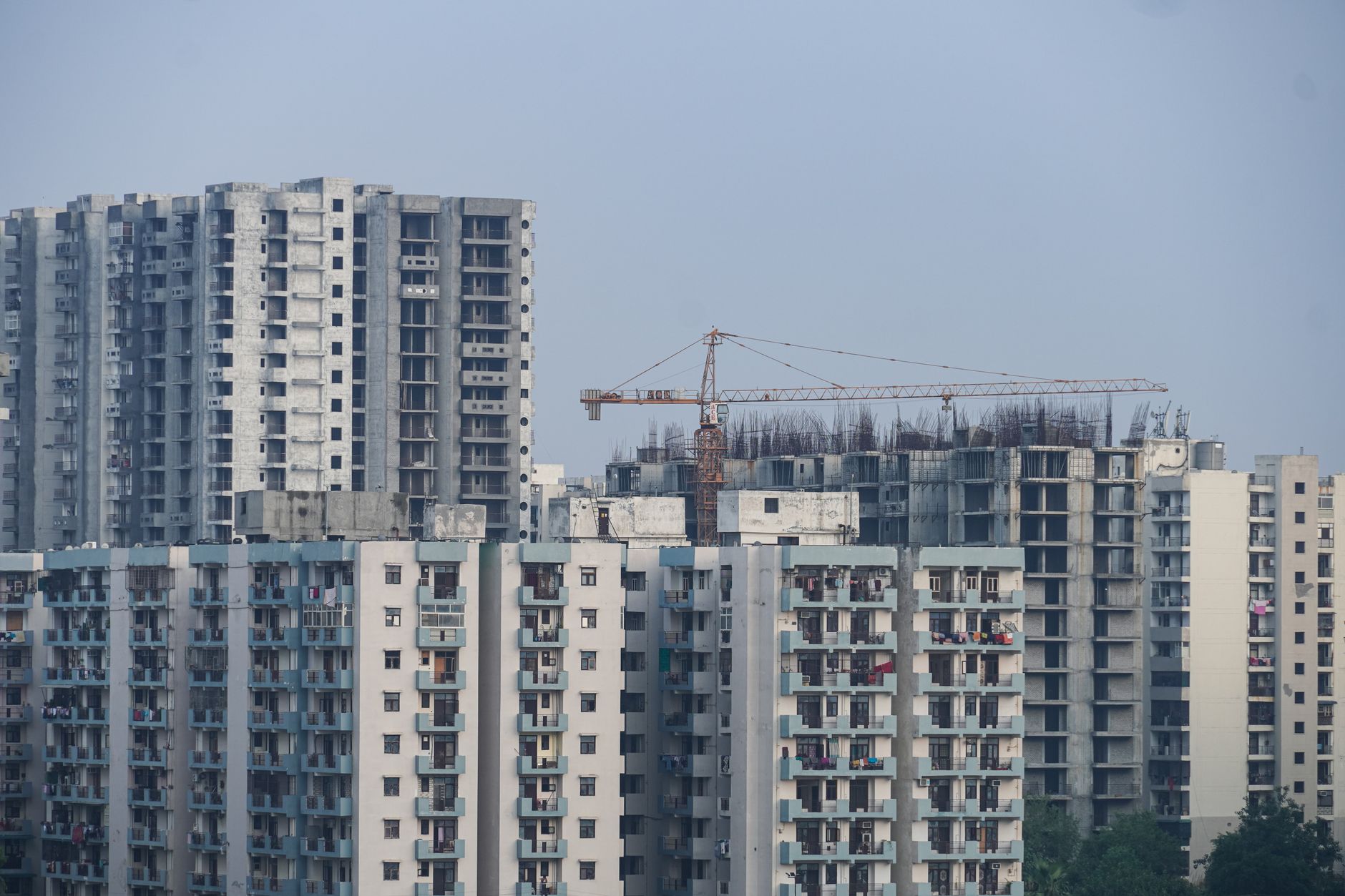
When you are buying a resale flat in Chandigarh, the process involves distinct administrative rules, strict title verifications, and specific transfer approvals that differ from purchasing fresh developer inventory. Chandigarh's planned layout means secondary market transactions are governed closely by the Chandigarh Estate Office, the Chandigarh Housing Board (CHB), or individual cooperative group housing societies across sectors such as Sector 48, Sector 49, Sector 50, and Sector 51. Navigating this legal and procedural landscape requires careful due diligence before signing agreements or transferring any earnest money.
Why Buying a Resale Flat in Chandigarh Requires Distinct Due Diligence
Unlike under-construction projects governed purely by developer buyer agreements and real estate regulatory bodies, a resale apartment in the City Beautiful comes with an established paper trail. Chandigarh was designed as an orderly, low-density administrative hub, and its property registry systems reflect that careful oversight. Properties here generally fall into three structural categories: Chandigarh Housing Board allotments, cooperative group housing society flats, or privately held builder floors and independent residences.
Every category involves a unique set of municipal approvals and ownership records. If you skip verifying past transfers, non-encumbrance records, or building bylaws compliance, you risk inheriting boundary disputes, unapproved structural alterations, or pending civic liabilities. Understanding who originally allotted the property, how many hands it has passed through, and whether the title is freehold or leasehold forms the bedrock of a secure real estate transaction.
Key Documents to Inspect Before Buying a Resale Flat in Chandigarh
The documentation trail for secondary market properties in Chandigarh requires tracing the ownership rights right back to the original allotment. Because several sectors contain flats that were originally leasehold before being converted to freehold, confirming the conversion status is critical for absolute ownership.
Before you commit financially, ensure you have reviewed the following core documents with the assistance of an experienced property advocate:
- Original Allotment Letter: Issued by the Chandigarh Estate Office, CHB, or the respective housing society to the first owner.
- Chain of Conveyance Deeds or Sale Deeds: Every registered deed reflecting past transfers from the primary allottee down to the current seller.
- No Dues Certificate (NDC): A formal clearance from the resident welfare association or cooperative society confirming zero outstanding maintenance charges.
- Civic Clearance Records: Proof of settlement for water, electricity, and municipal property taxes through the Municipal Corporation Chandigarh.
- Sanctioned Building Plan and Completion Certificate: Documentation proving the residential complex conforms to approved architectural standards.
- Non-Encumbrance Certificate: Issued through the relevant sub-registrar office to verify the absence of active bank mortgages or court attachments.
The following table provides a clear breakdown of who issues these essential verification documents and what buyers must look for during the inspection phase.
| Document Name | Issuing Authority | Primary Verification Focus | Significance to Buyer |
|---|---|---|---|
| Conveyance / Sale Deed | Sub-Registrar Office | Clear title transfer from previous owners | Establishes seller legal right to sell |
| No Objection Certificate | Cooperative Society / CHB | Absence of unapproved structural changes | Enables lawful administrative transfer |
| Non-Encumbrance Certificate | Sub-Registrar / Revenue Authority | Absence of active legal or financial liens | Ensures flat is free from debt claims |
| Municipal Tax Receipts | Municipal Corporation Chandigarh | Payment history of local property taxes | Prevents inheriting past unpaid dues |
| Possession Letter | Original Developer / Housing Board | Physical handover confirmation | Confirms historical lawful occupancy |
Understanding Freehold vs Leasehold Status in Chandigarh Sectors
One of the most important considerations when examining secondary market properties across Chandigarh is determining whether the unit sits on freehold or leasehold land. Historically, many residential pockets—especially multi-storey cooperative societies in the southern sectors—were allotted on a long-term leasehold basis. Under leasehold arrangements, the Chandigarh Administration remains the ultimate ground owner, while the flat owner holds occupancy and transfer rights subject to lease conditions and periodic ground rent payments.
Over the years, various schemes have allowed owners to convert leasehold residential properties into freehold titles upon fulfilling specific conditions and paying prescribed conversion fees. A freehold flat gives you absolute ownership of the built-up share without the need for periodic lease renewals or restrictive administration permissions during resale. When evaluating a prospective home, ask the seller whether the property has already been converted to freehold and demand to see the registered conveyance deed confirming the conversion.
The Step-by-Step Purchase and Transfer Process
Acquiring an existing property involves multiple operational milestones. Understanding each phase helps you plan finances, prepare documentation, and minimize delays between agreement signing and registry.
Step 1: Title Search and Physical Verification
Engage a local legal professional to perform a thirty-year title search at the sub-registrar office. Concurrently, inspect the property physically to ensure the floor plan aligns with the sanctioned layout and that no unauthorized structural modifications, such as balcony enclosures or internal wall removals, have been executed without civic permissions.
Step 2: Drafting the Agreement to Sell
Once preliminary title clearance is achieved, both parties draft an Agreement to Sell (Biyana). This legal contract outlines the agreed purchase consideration, payment schedule, timeline for obtaining clearances, and specific penalties if either side backs out without valid legal cause.
Step 3: Procuring Society and Administrative Clearances
If the flat is situated in a cooperative group housing society, the seller must apply for a formal No Objection Certificate (NOC) and transfer permission from the society management committee. For Chandigarh Housing Board units, specific transfer applications and publication notices may be required depending on current local regulations.
Step 4: Executing the Sale Deed at the Sub-Registrar
On the scheduled transfer day, the buyer and seller present themselves at the relevant Sub-Registrar Office in Chandigarh. You present the stamp duty paperwork, registration documentation, original identity proofs, and clearance certificates. Once the registrar validates the documents and captures biometric verification, the deed is formally registered.
Step 5: Mutation and Municipal Utility Transfers
Registration does not complete the transaction entirely. You must subsequently submit a mutation application to the Chandigarh Estate Office or Municipal Corporation Chandigarh to reflect your name in the official civic revenue records, followed by transferring electricity and water meters into your name.
The table below summarizes the key responsibilities divided between the buyer and the seller throughout the transfer lifecycle.
| Transaction Phase | Seller Responsibility | Buyer Responsibility | Key Verification Point |
|---|---|---|---|
| Initial Negotiation | Provide chain of title copies | Conduct independent legal verification | Completeness of ownership documents |
| Pre-Registration | Clear all society and civic dues | Arrange home financing or liquid funds | Zero outstanding utility or tax balance |
| Sub-Registrar Registry | Execute transfer and deliver possession | Pay stamp duty and registration fee | Biometric registration and key handover |
| Post-Registration | Relinquish utility accounts | Apply for civic revenue mutation | Updated name in municipal property rolls |
Common Red Flags to Watch Out for in Resale Deals
Buying in established sectors offers unmatched infrastructure, established tree-lined avenues, and dependable neighborhood amenities. However, buyers should stay vigilant against several recurring issues common in secondary real estate transactions:
- Unapproved Structural Alterations: Chandigarh civic authorities maintain rigorous building bylaws. Unpermitted extensions or unauthorized construction on terraces and common areas can trigger notices or penalty actions.
- Missing Link Deeds: If a property has changed hands multiple times, every single intermediate registered sale deed or gift deed must be available. A broken chain makes securing home loans difficult and risks future title challenges.
- Pending Society Litigation: Some cooperative societies face internal disputes regarding parking allocations, maintenance contributions, or governing body elections. Review society minutes before finalizing terms.
- Power of Attorney Sales: Avoid transactions conducted purely via General Power of Attorney (GPA) without a registered conveyance deed, as judicial rulings have clarified that GPA transfers do not convey legal title.
Frequently Asked Questions
What is the difference between an Estate Office flat and a CHB flat in Chandigarh?
An Estate Office flat is managed directly through the administrative records of the Chandigarh Estate Office, often situated on individual sector plots or commercial-residential mixed zones. A Chandigarh Housing Board (CHB) unit was developed and allotted by the board itself, requiring specific board approvals, distinct transfer procedures, and strict adherence to CHB building bylaws.
Do I need a No Objection Certificate from the housing society to register the flat?
Yes, if the flat is part of a cooperative group housing society, a No Objection Certificate is typically required before the sub-registrar will complete the registration, or before the society management updates membership records. This ensures all maintenance charges are fully paid and that no unauthorized structural modifications exist.
Can I get a bank home loan for buying a resale flat in Chandigarh?
Yes, all major public and private banks offer home loans for resale residential properties in Chandigarh, provided the flat possesses a clear, unbroken title chain and approved building plans. Lenders will conduct their own technical evaluation and legal title search before sanctioning and disbursing loan funds.
How do I confirm the property does not have any pending bank mortgage?
You can verify this by requesting an updated Non-Encumbrance Certificate from the sub-registrar office covering the preceding twelve to thirty years. Additionally, ensure the seller hands over all original title deeds at registry, because financial institutions physically retain original documents while a mortgage is active.
What is the importance of property mutation after completing registration?
While registration legally conveys ownership between private parties, mutation updates the official municipal and revenue records of the Chandigarh Administration. Completing mutation ensures that property tax assessments, utility billing, and civic ownership certificates are officially issued in your name as the new lawful owner.
Ready to take the next step? Browse our latest properties for sale, or get in touch with our team for personalized guidance.