
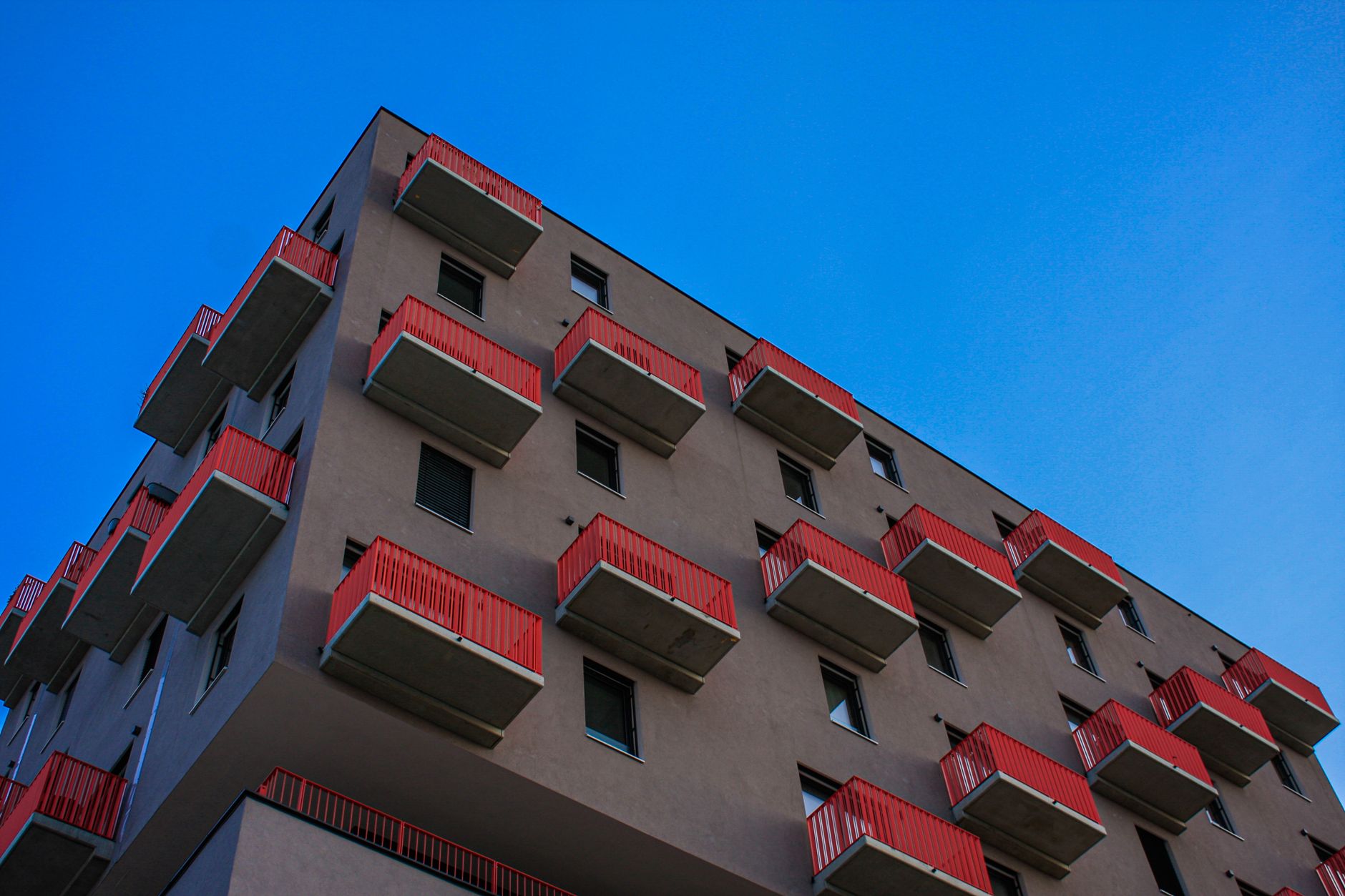
When choosing a home in Mohali in 2026, the most common dilemma is whether to buy an apartment vs builder floor in Mohali. The decision hinges on your lifestyle preferences, budget structure, desire for privacy, and long‑term resale outlook. Below is a detailed guide that walks you through the essential factors, so you can match the right format to your personal and investment goals.
Apartment vs Builder Floor in Mohali: Core Differences
Understanding the fundamental contrast between a high‑rise apartment and an independent builder floor helps you frame the rest of your comparison.
- Living Experience and Amenities: Apartments are typically part of gated societies that provide shared amenities such as security personnel, power backup, clubhouses, swimming pools, gyms, and landscaped gardens. Builder floors, often constructed as a stilt plus three or four upper levels on a freehold plot, offer a quieter environment with fewer immediate neighbours and no built‑in communal facilities.
- Land Ownership: Purchasing a builder floor gives you a clear, proportionate share of the underlying freehold land registered in your name. In an apartment, ownership is limited to the unit; the land is collectively owned by all flat‑holders through a society.
- Customization Potential: Builder floor owners can usually decide on interior finishes, fixtures, and even external modifications (subject to local regulations). Apartment owners must work within the developer’s standard layout and any changes typically require society approval.
- Management Responsibility: In an apartment, a Residents Welfare Association (RWA) handles day‑to‑day upkeep, security, and common‑area maintenance. Builder floor owners manage utilities and minor repairs themselves, coordinating with the few co‑owners for larger structural work.
Cost Structure and Ongoing Expenses in 2026
Both upfront costs and recurring expenses differ markedly between the two formats.
| Expense Category | Apartment | Builder Floor |
|---|---|---|
| Purchase price drivers | Unit size, tower location, society amenities, developer premiums | Covered area, plot location, construction quality, land share |
| One‑time charges | Internal development, external development, club membership, advance maintenance fund | Plot registration, basic construction cost, utility connections |
| Monthly/annual upkeep | Maintenance for elevators, security, landscaping, water treatment, common‑area electricity | Utility bills, occasional joint repairs (e.g., roof, exterior painting) |
The table outlines the typical expense categories you will encounter. While apartments often have higher purchase prices due to the bundled amenities, they also come with a predictable monthly maintenance bill. Builder floors usually involve a lower purchase price and minimal regular fees, but you should budget for occasional joint expenses that arise from shared structural elements.
Rental Demand and Resale Liquidity
Rental yield and resale speed are crucial if you view the property as an investment.
- Tenant Profile: Professionals working in Mohali IT City, QuarkCity, or nearby corporate parks tend to favour apartments for their security, power backup, and on‑site gym facilities. Families and senior professionals often prefer builder floors for the quieter neighbourhood feel and the perception of land‑backed security.
- Resale Dynamics: Builder floors built on GMADA‑approved plots retain strong resale appeal because buyers value the tangible land component. Apartments enjoy solid liquidity in the first five to ten years, after which the condition of common infrastructure and the activity level of the RWA become decisive factors.
Privacy, Autonomy, and Lifestyle Fit
Choosing between privacy and convenience is a personal decision.
| Aspect | Apartment | Builder Floor |
|---|---|---|
| Privacy level | Shared corridors and common walls; limited personal outdoor space | Separate entrance, private terrace, fewer neighbours |
| Control over modifications | Subject to society rules and approvals | Greater freedom to customize interiors and exteriors |
| Community interaction | High – organized events, shared facilities | Low – more independent living |
| Typical resident type | Young professionals, NRI investors, small families | Established families, retirees, land‑focused investors |
This side‑by‑side view helps you gauge which environment aligns with your daily routine and long‑term aspirations.
Financing Considerations and Documentation Checklist
Both formats are eligible for bank financing, but the documentation and due‑diligence steps differ slightly.
| Document | Apartment | Builder Floor |
|---|---|---|
| Title deed | Flat ownership deed issued by the society | Freehold land deed and building plan approval |
| Society approvals | RWA consent for resale, clearance from society board | Local municipal clearance, builder’s completion certificate |
| Loan paperwork | Flat‑specific loan sanction, property valuation report | Land‑plus‑construction loan, valuation of both land and structure |
| Legal verification | Check encumbrance on flat and society’s bylaws | Verify land title, ensure no pending litigation on plot |
Before signing any agreement, confirm each item with your lawyer, the sub‑registrar’s office, and the lending institution to ensure the information is up‑to‑date.
Decision Matrix: Which Option Suits You Best?
Use the following questions to narrow down your choice:
- Do you value a managed environment with on‑site amenities? If yes, an apartment likely fits your lifestyle.
- Is owning a share of land important for your long‑term wealth strategy? Then a builder floor may be preferable.
- Do you anticipate frequent travel or a need for hands‑off property management? Apartments provide dedicated staff and security.
- Do you want flexibility to redesign interiors or add personal touches without society approval? Builder floors offer that freedom.
- Are you targeting a specific tenant segment (e.g., corporate renters vs. long‑term families)? Align the format with the dominant demand in your chosen sector.
Answering these points will clarify whether the convenience of a high‑rise apartment or the autonomy of a builder floor aligns with your financial goals and lifestyle preferences.
Frequently Asked Questions
What are the main advantages of buying an apartment in Mohali?
Apartments provide managed security, shared amenities, and a predictable maintenance schedule, which is ideal for busy professionals and investors who prefer a low‑maintenance lifestyle.
How does land ownership differ between apartments and builder floors?
In a builder floor you own a defined share of the freehold plot, whereas apartment ownership is limited to the unit; the land is collectively owned by all flat‑holders through the society.
Will maintenance charges be higher for apartments?
Yes, apartments include monthly fees that cover elevators, security, landscaping, and common‑area utilities. Builder floor owners usually pay only for their own utilities and occasional joint repairs.
Is resale value more stable for builder floors?
Builder floors tend to retain value because buyers appreciate the tangible land component. Apartments remain liquid, especially in the early years, but resale performance later depends on the condition of common facilities and the effectiveness of the RWA.
Can I customize the interior of a builder floor?
Builder floor owners generally have greater freedom to choose finishes, fixtures, and layout modifications, subject to local building regulations and any agreements with co‑owners.
Do I need a Residents Welfare Association for a builder floor?
A formal RWA is not mandatory for a builder floor, but owners often form a small association to coordinate shared responsibilities such as roof maintenance or exterior painting.
Ready to take the next step? Browse our latest properties for sale, or get in touch with our team for personalized guidance.